Market background
A global market that demands selectivity
The watch market is broad in visibility, but narrow in where investable depth tends to sit. Brand strength, controlled supply, reference history and secondary-market activity matter more than the category label alone.
CHF 25.6bnSwiss watch exports in 2025 (Federation of the Swiss Watch Industry – FH).
+5.1%12-month watch performance in KFLII, Q4 2025.
4 brandsRolex, Cartier, Patek Philippe and Omega account for more than half of Swiss retail market share, based on Morgan Stanley and LuxeConsult reporting.
+23.5%Gross annualized return across 22 completed Timeless watch exits. Source: Timeless Exits.
Recent data shows why selection matters. Swiss watch exports reached CHF 25.6 billion in 2025 (Federation of the Swiss Watch Industry – FH), down 1.7% year on year, with volumes down 4.8%. Knight Frank’s 2026 Wealth Report shows a disciplined luxury collectibles market overall, but watches still posted a 12-month gain of +5.1% in its Luxury Investment Index.
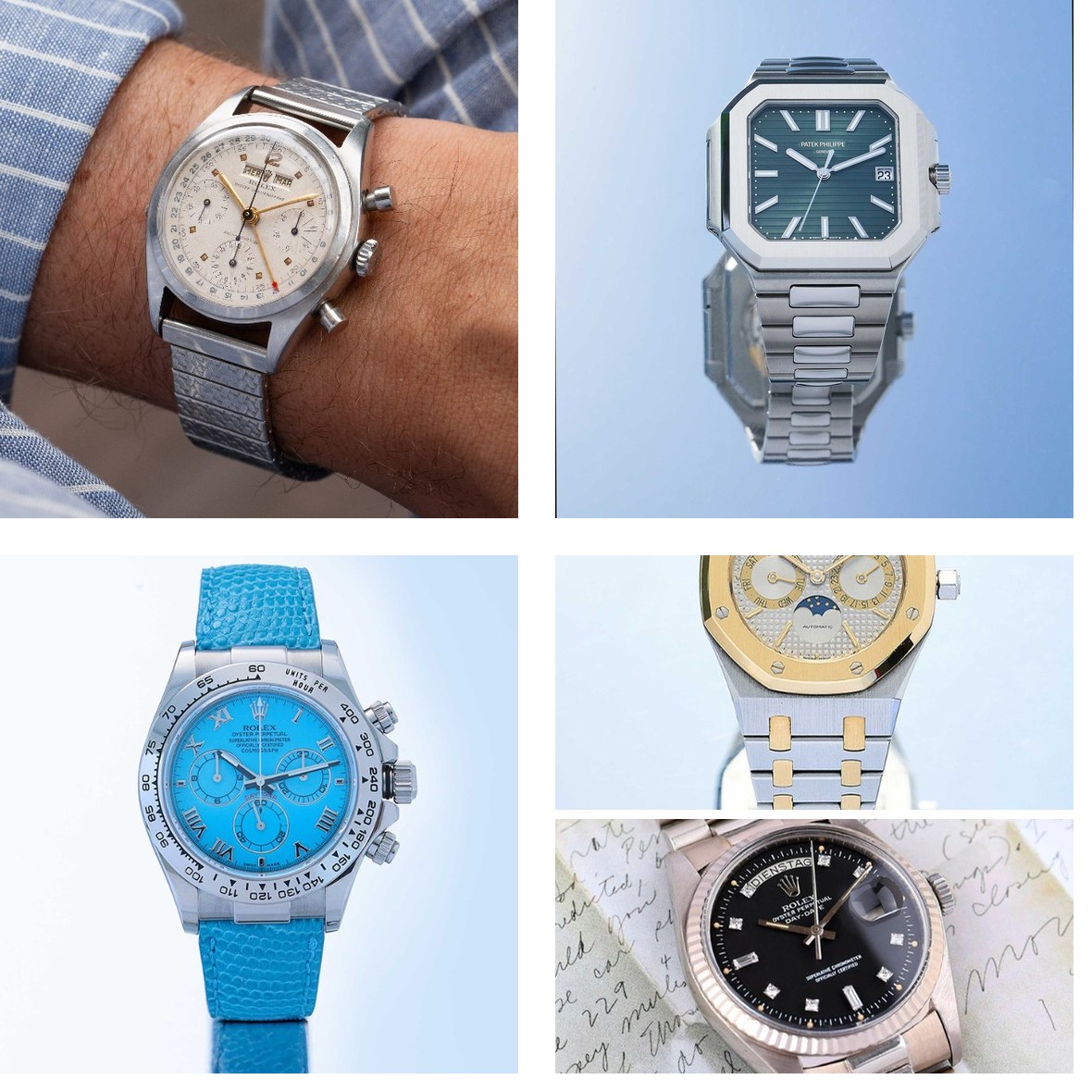
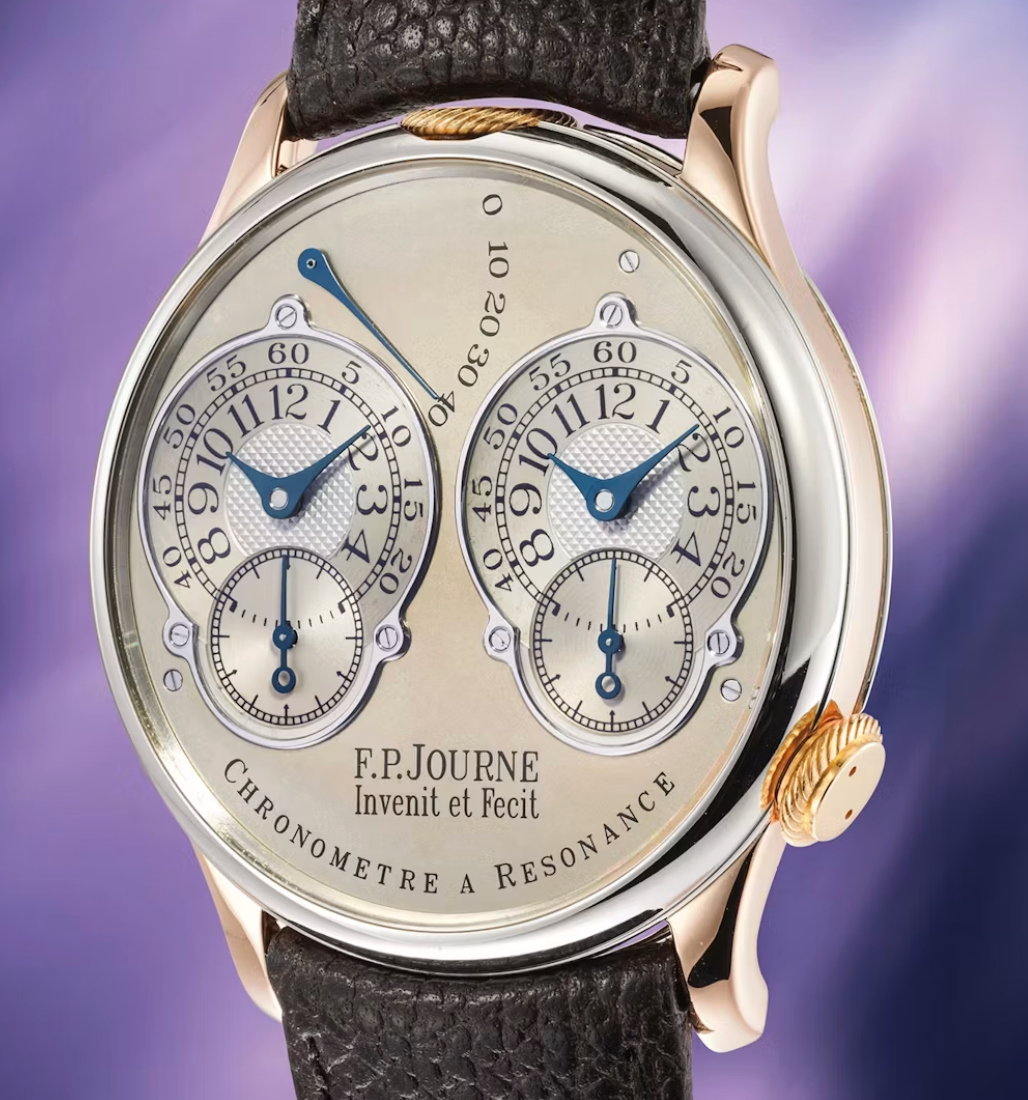
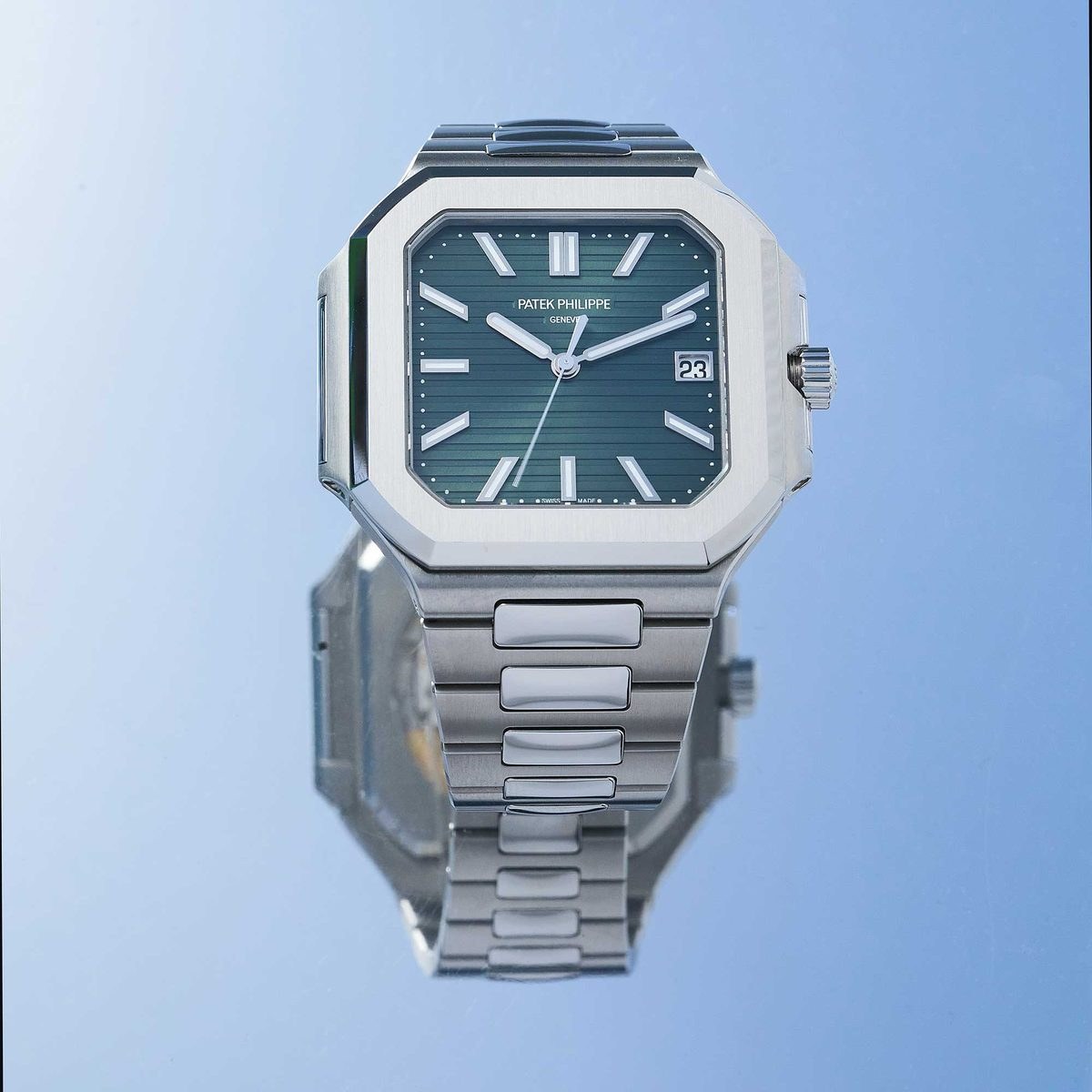
Independent makers like F.P. Journe, Philippe Dufour, Roger W. Smith and Rexhep Rexhepi have also been among the strongest performers. Limited-production pieces often sell well above retail on the secondary market because supply is extremely scarce and collector demand is concentrated, with several individual auction records reaching into the millions in 2025.
Not every watch benefits. The right reference makes the difference.
The broader industry is not in a simple boom phase. Export values softened in 2025 and lower price points were under pressure. But the collectible segment remains shaped by brand concentration, global demand and reference-level scarcity.
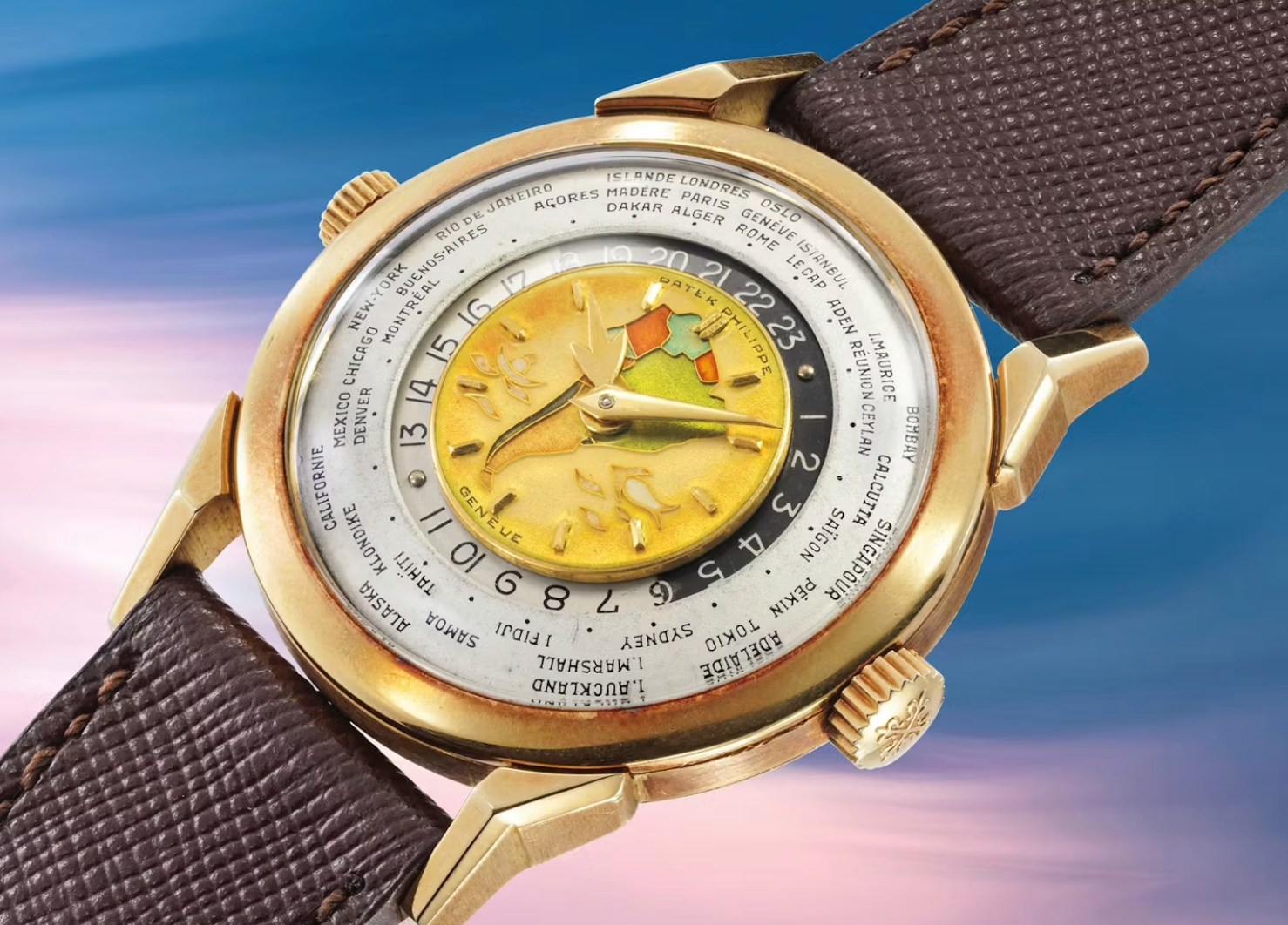
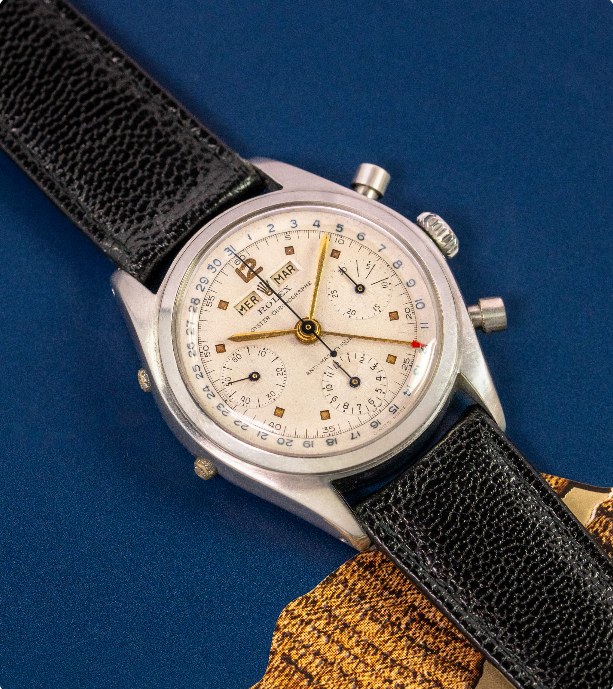
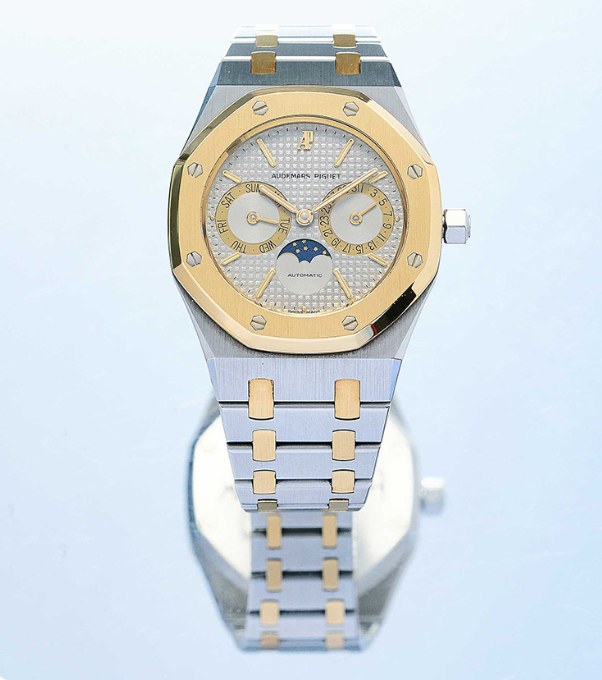
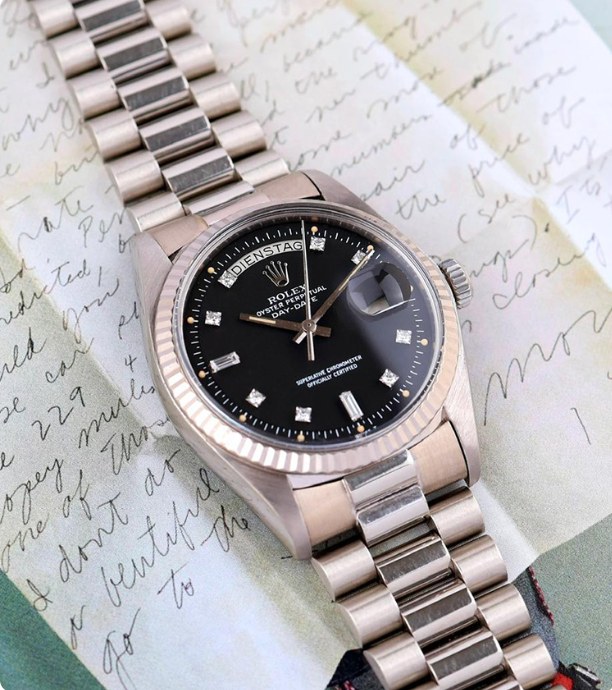
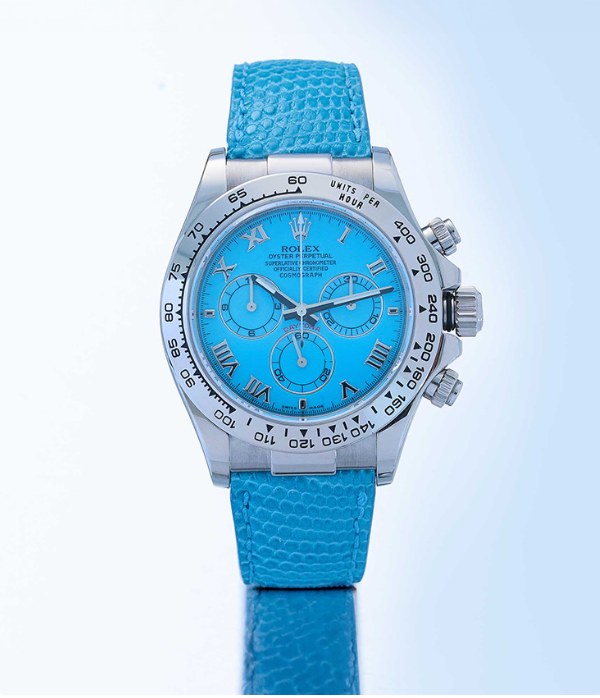
The secondary and collectible market showed resilience. In 2025, Phillips achieved around USD 290 million in watch auction sales, a new record, Christie’s reached about USD 162.5 million, and Sotheby’s around USD 193.6 million. High-end Rolex, Patek Philippe and independent pieces performed particularly well. These auction results are market signals, not an indication or guarantee of future performance.
Investment lens
What makes a watch investment-grade?
The investment case is made at the level of the exact reference. A strong brand helps, but it does not replace diligence on the specific watch.
Brand depth:global recognition, active secondary markets and long-term collector demand.
Reference specificity:the exact model, generation, configuration and production context.
Condition and documentation:originality, service history, full-set status and coherence of the watch.
Exit relevance:enough buyer depth to support a future sale, while acknowledging that collectibles can take time to sell.
Selection process
How Timeless selects watch assets
For watches, the process matters as much as the story. Timeless combines internal investment work with specialist market data and selected partners across sourcing, valuation, authentication, custody and exit planning.
Market screeningSpecialist databases, auction results, dealer pricing and reference-level demand signals are reviewed before acquisition.
Valuation workEach watch is assessed against rarity, condition, documentation, comparable sales, liquidity and current market movement.
Scenario viewThe team looks at how a reference could behave across different market environments and avoids cases that rely only on short-term fashion.
Inspection and custodyAssets are reviewed for originality, condition and coherence, then professionally stored, insured and monitored.
Specialist ecosystem: Timeless works with recognised specialists to strengthen sourcing, authentication and reference judgement. This includes Amsterdam Vintage Watches B.V. for vintage watch expertise and Lieblingskapital GmbH for selected modern and neo-vintage opportunities. Market data sources include EveryWatch, WatchCharts, auction results and specialist dealer networks.